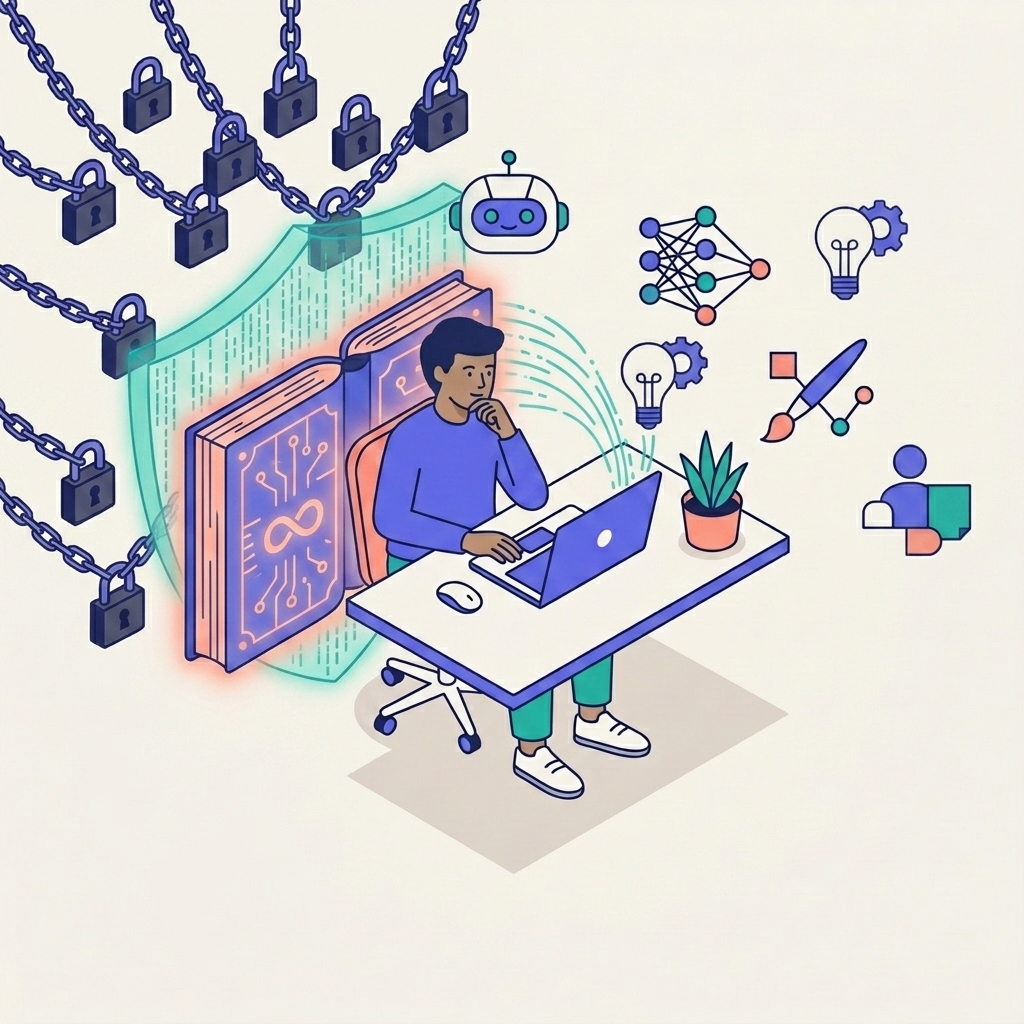
Open-source AI is under pressure. Not from technical limitations—open models are increasingly capable. The threat is political. Well-funded AI companies are lobbying for regulations that would, intentionally or not, make open-source AI development prohibitively difficult.
The Threat
The argument from large AI companies goes like this: "AI is potentially dangerous. Therefore, only organisations with sufficient resources for safety testing should be allowed to release AI models. Open-source models, released without enterprise-grade safety protocols, represent an unacceptable risk."
This argument sounds reasonable. It is also strategically convenient for the companies making it—because they are the only organisations with sufficient resources to meet the proposed requirements.
Why This Matters
If open-source AI is restricted through regulation:
- Innovation slows: Open-source development drives a significant portion of AI innovation. Researchers, academics, and independent developers contribute improvements that benefit the entire ecosystem.
- Competition disappears: Without open-source alternatives, a handful of corporations control all access to AI. Pricing, terms, and capabilities become whatever they decide.
- Surveillance increases: Local, private AI becomes impossible for most users. All AI usage flows through corporate servers subject to data collection and government access.
- Access narrows: Open-source AI democratises access. Restrictive regulation concentrates it among those who can afford enterprise subscriptions.
The Balanced View
Safety concerns about AI are legitimate. Powerful models can be misused. But the solution should not be to concentrate all AI capability in the hands of a few corporations whose primary accountability is to shareholders.
Better approaches include:
- Transparency requirements for all AI systems (open and closed)
- Usage restrictions on specific applications (not on the technology itself)
- Safety research funding for open-source projects
- Accountability frameworks that apply equally to open and closed AI providers
What You Can Do
As an independent AI professional:
- Use open-source AI in your work and demonstrate its value
- Contribute to the conversation about AI regulation in your professional communities
- Support organisations that advocate for open-source AI policy
- Educate your clients about the benefits of open and local AI
- Stay informed about regulatory developments that could affect open-source AI availability
The Stakes
Open-source AI is not just a technology preference. It is the structural foundation for a future where AI power is distributed rather than concentrated. If we lose it, we lose the most important check on corporate AI monopoly.
Defend it actively. Use it. Advocate for it. The alternative is a world where a handful of companies decide who gets to use AI, how they use it, and at what price.