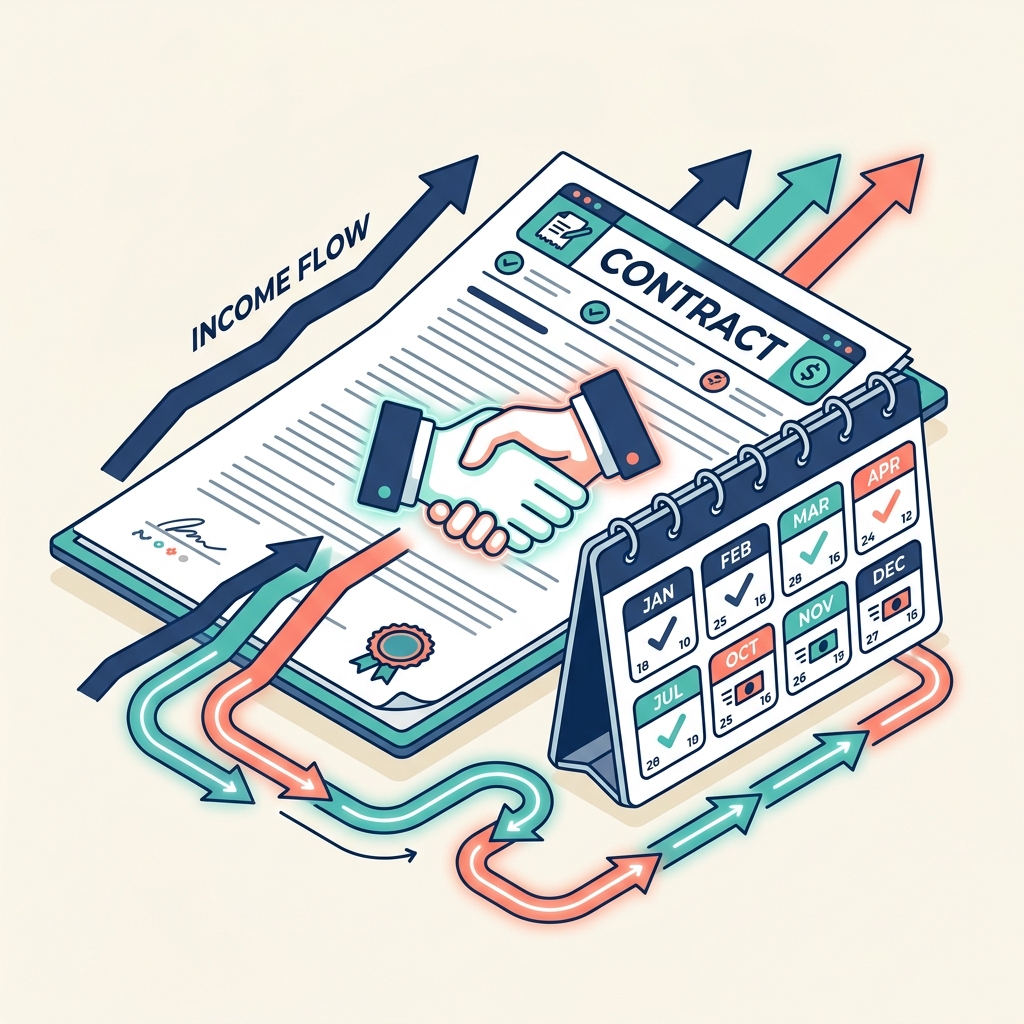
If you are billing by the hour as an AI Consultant in 2026, you are actively sabotaging your own business.
The entire premise of Artificial Intelligence is doing more work in less time. If I use a multi-agent framework to solve a complex data problem for a client in 45 minutes—a problem that would have taken a human team two weeks—billing my "hourly rate" for those 45 minutes is absurd.
As I transitioned from traditional agency billing at places like Disney to running my own remote consultancy, I had to completely re-wire my pricing model. Here is how I structure lucrative, outcome-based retainers.
The Problem with Deliverables
When you build a custom GPT or an automated Zapier/Make workflow for a client, the "deliverable" is done. But AI is fragile. APIs change, models deprecate, and employees forget how to use the tools.
If you just hand over the keys and walk away, the system will break in a month, and the client will blame the AI (and you).
The Three-Tier Retainer Structure
To solve this, I sell ongoing transformation, not just software.
Tier 1: The "Maintenance & Advisory" Retainer
This is the baseline requirement for any client I build a system for.
- What it includes: Monitoring the custom workflows to ensure API endpoints haven't broken. Updating system prompts when new models (like Claude 3.5 or Gemini 1.5) are released.
- The Bonus: One 60-minute strategy call per month to discuss new AI trends.
- The Value: The client buys "peace of mind" knowing their automation won't suddenly crash their operations.
Tier 2: The "Workflow Expansion" Retainer
For clients who want continuous improvement.
- What it includes: Everything in Tier 1, plus the commitment to build and integrate one new automated workflow every month.
- The Value: The client essentially gets a fractional Chief AI Officer constantly looking for new ways to save them money.
Tier 3: The "Team Training" Retainer
Tools are useless if the staff refuses to use them.
- What it includes: Monthly interactive workshops with their staff. I review their actual prompts, correct their workflows, and teach them advanced AI literacy.
- The Value: Accelerating the upskilling of their entire workforce.
Managing Retainers as a Nomad
The beauty of the retainer model is revenue predictability. When I know my baseline income is secured on the 1st of every month, it frees me up to travel without financial anxiety, or to dedicate pro-bono hours to my charity, Become Inspired.
Stop selling your time. Start selling the incredible, scalable leverage that your AI expertise provides.
About the Author
Simon Bullows is an AI Consultant and digital nomad who helps remote teams and freelancers integrate AI into their workflows. With a background working on projects for Marvel and Disney, Simon brings enterprise-level creative strategy to the solo economy. He is also the founder of the charity Become Inspired.
Frequently Asked Questions
Why is hourly billing bad for AI consulting? Because AI makes you exponentially faster. If you automate a 10-hour task down to 1 hour, hourly billing means you punish yourself for being efficient. You must charge for the outcome, not the time.
What should an AI retainer include? A standard retainer should include ongoing prompt optimization, workflow maintenance (fixing broken APIs), and a set number of strategic advisory calls per month.